Body-Inclusive Classrooms
This practical guide can help educators ensure that their classroom set-up and teaching activities promote body inclusivity for all students.
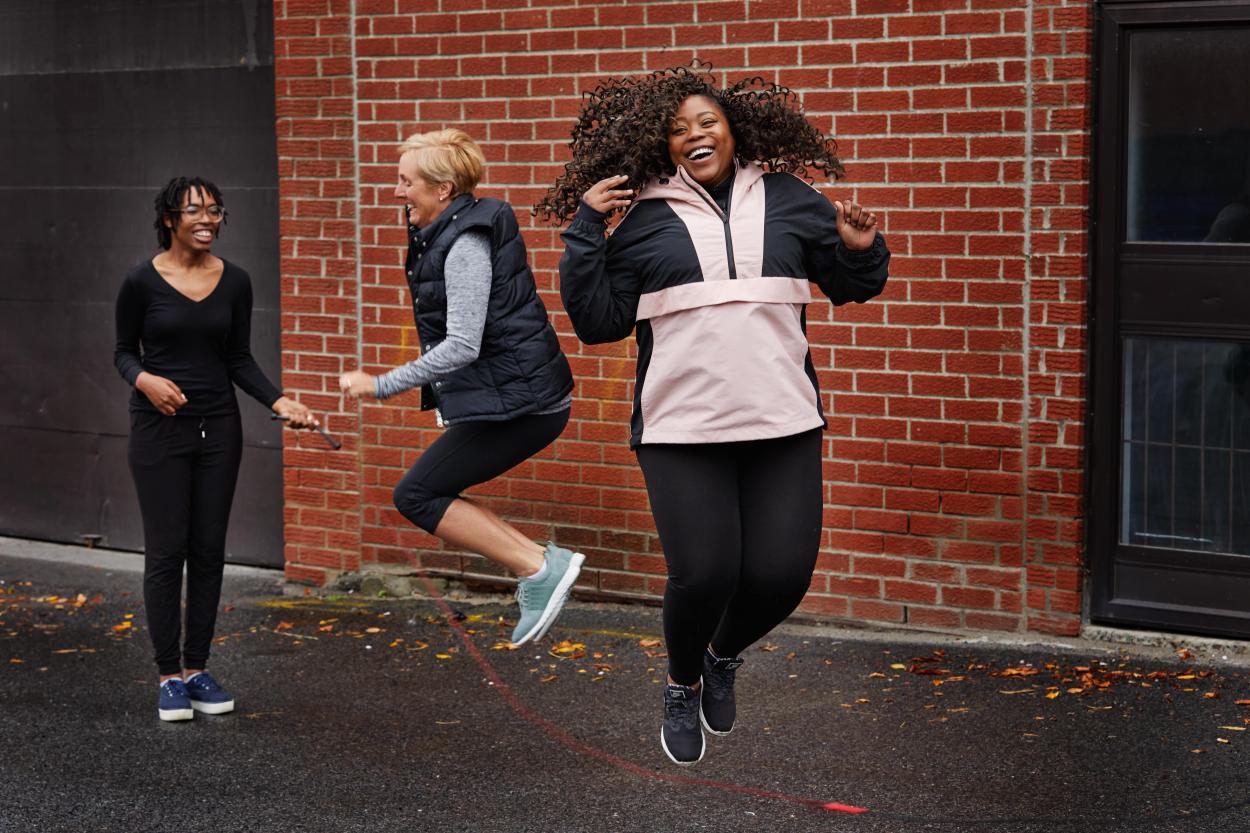
An inclusive approach to bodies is one that ensures all body shapes and sizes feel accepted and welcomed. All bodies, regardless of shape or size, deserve respect and equitable treatment.
Here are eight considerations for establishing Body-Inclusive Classrooms. For each scenario, you can find:
- a practice that you may currently use (i.e., Instead of...)
- a body-inclusive alternative (i.e., Consider...)
- a rationale for the alternative practice (i.e., Here's why...)
See grade specific recommendations under the In the Classroom section, for ideas on how to meet the HPE curriculum in a body-inclusive way.
Displaying and using resources with images that represent socially desirable ideals only (e.g., thin, muscular, lack diversity).
Using posters and teaching resources that include diverse representations of bodies, race, gender expression, and abilities.
Intentional inclusion of diverse bodies helps students to feel represented and included. It also helps them to be more aware of the diverse ways other classmates and community members may present. By prioritizing diversity and inclusion, we can contribute to an increased sense of belonging and improving self-esteem in our schools.
Weighing students or having them calculate their Body Mass Index (BMI).
Whether for health or for math class, weighing students and calculating BMI as part of classroom activities can cause harm. Use or create lesson plans and activities that do not focus on weight.
Weighing students or using BMI is not part of the Ontario curriculum. Focusing on weight and BMI can draw attention to insecurities about body shape and size and invite comparisons with peers.
Having students download apps or visit websites that track their food intake.
Self-monitoring or comparison of food intake between students can be harmful for students. Use lesson plans and activities that do not involve tracking students' food intake.
Students may be encouraged to reflect ontheir intake (e.g. reflecting on what they eat at different times and places), but should not be encouraged to or tasked with any formal, regular monitoringof their intake.
When students download apps or visit websites, this influences their algorithm, advertisements, and other content that they will see which may promote dieting.
Having students track their food intake can contribute to preoccupation with food and lead to disordered eating or eating disorders.
Additionally, some students experience food insecurity which means their household is not able to afford enough food. Asking students to track their food intake can draw emphasis to this, and risk creating feelings of shame and embarrassment.
Showing documentaries that instill fear or alarm about food or health issues.
Select media (videos, documentaries, etc.) that provide accurate, balanced, and positive information about food and health.
Review resources before sharing to ensure they support positive behaviours and critical thinking.
Providing messaging that encourages restricting certain types of foods or controlling body weight, is harmful.
Most documentaries sensationalize their messaging. Creating fear about food can create or worsen food and weight preoccupations. It is particularly harmful for someone with an eating disorder or someone recovering from an eating disorder.
There are many different ways for individuals to meet their nutritional needs.
Ignoring and minimizing comments or jokes about weight, body shape, or appearance.
Establish classroom expectations or norms that clearly state that we don’t talk about other people’s bodies or talk negatively about your own body.
Address appearance or weight remarks immediately and guide students toward respectful, inclusive language.
Reinforce inclusion of body diversity and discourage judgement of bodies and appearances.
Ensure school bullying policies explicitly include weight and appearance related language.
Weight-based comments, even when not directed at others, can create a hostile environment for students who may be self-conscious of their bodies.
These types of comments can lead to depression symptoms, negative body image, poor self-esteem, and weight preoccupation. These symptoms, if persistent, can lead to disordered eating.
Persistent weight and appearance -based comments are a form of bullying and harassment. Weight-based comments and body shaming are reported as the most common type of bullying experienced by students.
Ignoring the impact of beauty ideals and diet culture on how students perceive themselves and others.
Take the focus off of appearance and celebrate diversity and character traits. Model talking about your own abilities, character, behaviours in a neutral or positive manner and encourage students to do the same.
Challenge unrealistic beauty or body standards and reinforce that bodies come in different shapes and sizes.
Teach students to be critical of messages they see in media.
Diet culture and appearance ideals are everywhere—in social media, advertising, and even everyday conversations.
Young people are especially vulnerable because their bodies are changing and growing during adolescence. At the same time, they’re figuring out who they are and how they fit in. This makes it easy to believe harmful messages that link self-worth to looks or thinness.
These unrealistic standards can lead to poor body image and unhealthy behaviors during a critical stage of development.
Accepting the typical equipment that is provided and having a “one size fits all” classroom/school/sport’s equipment.
Advocate to have chairs, desks, uniforms, and equipment that are inclusive of all body shapes, sizes, and weights. Make sure new equipment has sufficient size and weight capacity to ensure all students can participate.
Ensure your classrooms are set-up in a way that allows easy movement for all bodies (e.g. between desks, around tables, access to shelving, etc.).
Advocating for inclusive equipment, uniforms, etc. helps create a weight and body inclusive school.
Everybody has the right to sit comfortably and wear uniforms that they feel comfortable in.
Making assumptions about students based on their weight or appearance (e.g. related to food choices, physical activity, intelligence and academic ability).
Neglecting to challenge your beliefs about weight, shape, size, and health…
Reflect on how your own views about weight, shape,and size may be biased.
Challenge stereotypes and assumptions you may have about weight, shape, and size.
Seek out opportunities to learn about body image, weight stigma, and inclusive practices.
Critical steps to create a weight and body-inclusive school include:
- reflecting and challenging your own biases
- challenging stereotypes and the narrow views of body and weight ideals, and
- learning about body image, weight stigma, and body-inclusive schools

Diet Culture

Weight-Based Bullying
